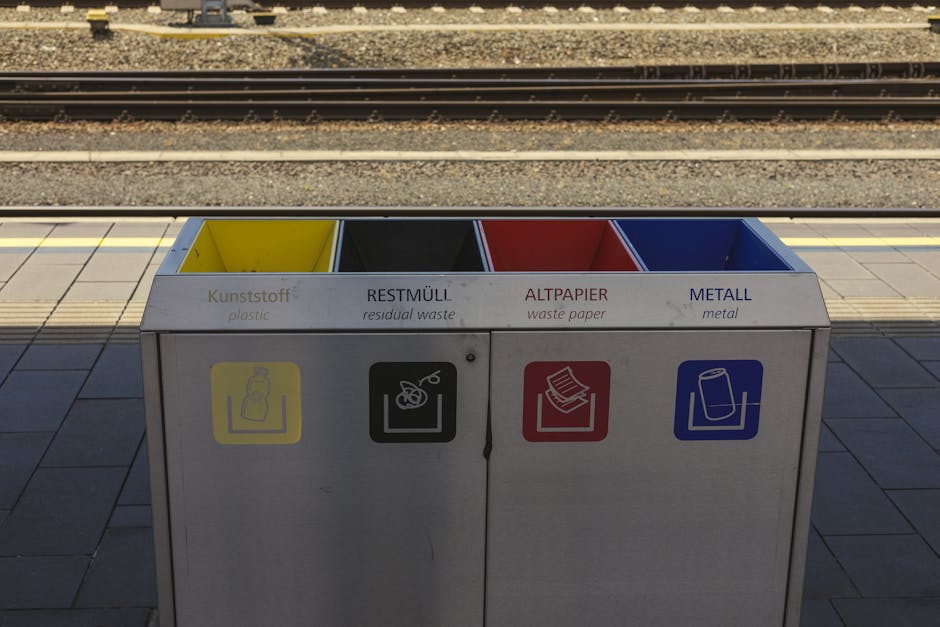
Redbridge Ilford Station rubbish collection guide for commuters
If you commute through Ilford Station, you already know how quickly small bits of rubbish can become a bigger problem. A coffee cup in your hand, a crumpled ticket in your pocket, a takeaway box you meant to throw away five minutes ago - it all adds up. This Redbridge Ilford Station rubbish collection guide for commuters is here to make that daily routine easier, cleaner, and a bit less annoying.
Whether you are rushing for a platform, changing trains with bags in both hands, or heading out after work with something bulky to dispose of, knowing what to do with waste near the station saves time and keeps the area pleasant for everyone. It also helps you avoid the usual headaches: overflowing litter bins, awkward carrying, and that end-of-day thought of "I'll deal with it later" - which, let's be honest, usually means never.
In this guide, you will find practical advice on how commuter rubbish collection works around the station, what to do with everyday waste, how to handle bulkier items, and when to use a professional service like waste removal or furniture disposal. It is written for real life, not ideal life.
Table of Contents
- Why it matters
- How it works
- Key benefits and practical advantages
- Who this is for and when it makes sense
- Step-by-step guidance
- Expert tips for better results
- Common mistakes to avoid
- Tools, resources and recommendations
- Law, compliance, standards, or best practice
- Options, methods, or comparison table
- Case study or real-world example
- Practical checklist
- Conclusion
- Frequently Asked Questions
Why Redbridge Ilford Station rubbish collection guide for commuters Matters
Stations are busy places. People are moving fast, bins fill quickly, and there is not much patience for mess. Around Ilford Station, commuter waste is usually small-scale but constant: coffee cups, snack wrappers, tissues, newspaper, packaging from deliveries, and the odd item that was meant to be thrown away at home but made it into the morning commute instead.
That matters for three reasons. First, litter builds up quickly in high-footfall areas. Second, loose waste is inconvenient for other commuters and station staff. Third, if you regularly carry waste items with you, the wrong disposal choice can be messy, unsafe, or simply uncomfortable. Nobody wants a leaking bag on the Central line. Nobody.
A good rubbish collection routine is not just about tidiness. It supports smoother travel, safer platforms, and a more respectful shared space. For local commuters, it can also reduce pressure on nearby public bins and help you plan ahead instead of trying to solve everything at the last second.
There is also a wider benefit for residents and businesses in the station area. When people understand where waste should go, how much can be carried, and when a larger clearance is the smarter choice, the whole area feels easier to use. A little organisation goes a long way, especially on a wet weekday evening when everyone is trying to get home at once.
Practical takeaway: If your rubbish is small, dry, and secure, handle it during your commute. If it is bulky, breakable, smelly, or likely to leak, plan a proper collection route instead of improvising.
How Redbridge Ilford Station rubbish collection guide for commuters Works
In simple terms, commuter rubbish management near Ilford Station works in layers. Some waste is handled immediately by the person carrying it. Some is placed in public bins. Some needs to be taken home, sorted, and disposed of properly later. And some - usually the awkward stuff - is better handled through a booked clearance or specialist waste service.
The usual process is straightforward:
- Sort the waste as early as possible. Keep recyclable items separate from general rubbish where you can.
- Make items safe to carry. Seal food waste, flatten cartons, and avoid loose sharp edges.
- Use station-area bins for small, permitted waste only. If a bin is full, do not force it.
- Take anything larger home or to a suitable collection point.
- Book a removal service for bulk waste. This is especially useful for furniture, boxes, office waste, or old household items.
That final step is where people often save themselves the most hassle. If you have just moved flats, cleared out a loft, or are replacing furniture, a commuter-friendly disposal plan matters more than a quick bin decision. For example, a local resident might travel through Ilford Station during the week and still need a proper flat clearance or house clearance arranged for items that cannot realistically be carried on a train.
The key point is that not all rubbish should be treated the same. A sandwich wrapper is one thing. A broken chair is another. A bag of garden cuttings is another again. Once you separate those mental categories, everything gets easier.
Key Benefits and Practical Advantages
Commuters tend to think about waste only when it becomes inconvenient. Fair enough. But having a proper rubbish collection approach near Ilford Station gives you a few everyday advantages that are easy to overlook.
- Less stress during travel. You are not trying to juggle an awkward bag while moving through barriers or changing platforms.
- Cleaner surroundings. Small actions keep station entrances and nearby streets tidier.
- Better hygiene. Food waste, tissues, and drink containers are less likely to sit around in your bag for hours.
- More efficient journeys. If you know what can be disposed of where, you waste less time making decisions on the fly.
- Safer handling of bulky items. You avoid strain, spills, and the slightly ridiculous sight of trying to carry half a wardrobe on public transport.
There is also a commercial side to this. If you run a small office, manage a rental property, or clear out a business unit near the station, planned waste handling is far easier than reactive tidying. Services such as office clearance and business waste removal can help when ordinary bin collections are not enough.
And yes, it can even save money in the long run. Messy, last-minute disposal often leads to extra trips, delays, or storage problems. A cleaner system is usually the calmer one. Strange how often that turns out to be true.
Who This Is For and When It Makes Sense
This guide is useful for a fairly wide group of people, not just everyday commuters with a coffee in one hand and a phone in the other.
You may find it especially helpful if you are:
- a daily commuter using Ilford Station
- someone carrying food packaging, drinks, or workday waste
- a tenant moving in or out of a nearby flat
- a landlord or letting agent preparing a property
- a local business owner dealing with office or customer waste
- a resident doing a household clear-out before work or after the school run
- someone managing awkward items such as furniture, loft contents, or garage clutter
It also makes sense if you keep telling yourself the rubbish "is only temporary". That usually means it is sitting in your hallway, your boot, or beside the front door for longer than it should. We have all been there.
The guide is particularly useful when you are facing a time squeeze. If you are leaving early, returning late, or commuting with tightly packed schedules, waste decisions need to be simple. That is where a planned collection routine, or a booked clearance, becomes practical rather than optional. If your waste is tied to a bigger home project, you may also want to look at home clearance or loft clearance.
Step-by-Step Guidance
If you want a simple system, use this. It works well for most commuters and small-scale clear-outs.
1. Identify the type of waste
Start by asking a basic question: is this everyday rubbish, recyclable material, or bulky waste? A crumpled receipt is not the same as broken shelving, and it should not be treated as such. This sounds obvious, but in a hurry people skip it.
2. Remove anything that could spill or smell
Food containers, used tissues, and liquid packaging should be sealed before you travel. A smell might seem minor on the platform, but once it sits in a bag during rush hour, it can become very noticeable. Not pleasant.
3. Compact what you can
Flatten cardboard, crush empty cans where appropriate, and fold packaging neatly. This makes the waste easier to carry and easier to store until you can dispose of it properly.
4. Choose the right disposal point
Small, ordinary rubbish can go into appropriate bins if available and not overflowing. Larger items should not be forced into public bins. If you are carrying more than a bin-sized amount, that is usually a sign you need a different plan.
5. Decide whether you need a collection service
If the item is bulky, hard to carry, or part of a bigger clear-out, a professional collection is often the most sensible next step. For example, broken chairs, old desks, and mixed office items are much easier to deal with through furniture clearance or builders waste clearance than by trying to transport them yourself.
6. Keep a waste bag in your commute kit
This is a small habit, but it helps. A spare carrier bag or sealed liner means you are not forced to carry rubbish loose in your backpack. A tiny bit of planning, and suddenly the whole trip feels less chaotic.
7. Schedule the bigger jobs separately
If you are doing more than day-to-day disposal, book a collection slot for the proper load. That might include old furniture, garage contents, garden debris, or a full room clear-out. Do not let these jobs piggyback on your daily commute. They are different animals.
Expert Tips for Better Results
A few practical habits make rubbish collection around the station much smoother, especially if you commute often.
- Use one bag for "today" and one for "later". It sounds simple, but separating commuting waste from household waste stops everything turning into one messy bundle.
- Keep a small bottle of hand sanitiser handy. It is useful after handling takeaway containers, used tissues, or anything sticky.
- Do your disposal before you are in a rush. The last 30 seconds before a train arrives are not the time to decide whether your bag is recyclable.
- Think about smell and leakage first. If something might leak in your bag, wrap it more securely or do not carry it at all.
- Use quieter times for bulky handover. If you are arranging a collection at home or work, off-peak timing can be easier for everyone.
Another useful habit is to link waste planning to other life admin. For example, if you are already clearing out a spare room, you may as well group items together for a garage clearance or furniture disposal rather than leaving them in separate piles. That kind of grouping saves time and usually reduces the sense of "I will sort it later" that hangs around far too long.
Truth be told, the people who stay on top of waste are usually not the ones with more time. They are the ones with a slightly better system. That is the whole trick.
Common Mistakes to Avoid
Most waste problems around commuter routes come from a few predictable errors. Easy to make, easy to avoid.
- Leaving rubbish loose in a bag. It gets crushed, spills, or leaks exactly when you do not want it to.
- Using the nearest bin for everything. Not every item belongs there, and overflowing bins are a poor backup plan.
- Carrying bulky waste on a busy commute. It is uncomfortable for you and awkward for everyone around you.
- Mixing recyclables with general rubbish. Once mixed, sorting becomes much harder.
- Ignoring the size of the job. A few items may be manageable. A room full of waste is a different job entirely.
- Assuming disposal will sort itself out. That plan almost never survives Friday evening.
One other mistake is forgetting safety. Broken glass, metal strips, nails, and sharp furniture edges can injure you or damage bags. If an item feels unsafe to handle, do not improvise. Put it aside and arrange a suitable collection. For more specialised waste situations, insurance and safety and health and safety policy pages are worth reviewing if you are choosing a provider for work or property clearance.
Tools, Resources and Recommendations
You do not need fancy equipment to manage commuter rubbish well. A few simple items make the process much easier.
- Reusable carrier bags or small bin liners for separating waste
- Seal-able food containers to reduce leaks and smells
- Compact gloves for awkward or dusty items at home
- Labels or simple markers if you are sorting waste before a larger clearance
- A fixed space at home for "pending disposal" items so they do not drift around the flat
If you are dealing with more than routine rubbish, you may want a broader service that can handle mixed items in one go. In that case, waste removal is a useful general option, while garden clearance or garage clearance can be better when the job is location-specific.
For anyone comparing providers, look closely at how they communicate pricing, what they include, how they handle recycling, and whether they explain the process clearly. If the details feel vague, that is usually a sign to slow down and ask more questions. Clear answers beat confident blur any day.
You may also want to review pricing and quotes and recycling and sustainability if you are trying to balance cost with responsible disposal.
Law, Compliance, Standards, or Best Practice
For everyday commuters, the practical rule is simple: dispose of waste responsibly and do not leave it where it can create litter, nuisance, or safety issues. For businesses, landlords, and anyone arranging collections on behalf of others, the standard of care is higher. You need a provider that works safely, treats waste appropriately, and follows accepted UK waste-handling practice.
Without getting bogged down in legal jargon, a few principles matter:
- Waste should be transferred to a suitable collector or facility.
- Items should not create hazards in public spaces.
- Recycling should be considered where practical.
- Mixed waste should be handled carefully, especially if it includes bulky, sharp, or contaminated items.
If you are arranging collection for a workplace, rental property, or refurbishment project, ask how the provider handles waste segregation, safety, and documentation. That is especially relevant for mixed loads such as office waste or light building debris. In those cases, the right service is not just convenient - it is part of doing the job properly.
For trust and accountability, it can also help to review the company's about us, terms and conditions, and complaints procedure before booking. Not glamorous reading, granted, but useful.
Options, Methods, or Comparison Table
There is no single "best" way to deal with rubbish near Ilford Station. The right method depends on what you have, how quickly you need it gone, and how much effort you want to spend.
| Method | Best for | Pros | Limitations |
|---|---|---|---|
| Carry and bin small items | Wrappers, receipts, coffee cups, tissues | Quick, low cost, simple | Only works for small, dry waste |
| Take waste home for sorting | Mixed household rubbish and recyclables | More control over disposal | Requires discipline and storage space |
| Book a professional waste collection | Bulky, awkward, or high-volume items | Fast, convenient, less physical effort | Needs planning and a collection slot |
| Use a specialist clearance service | Furniture, offices, lofts, garages, or mixed loads | Good for larger projects and one-off clear-outs | Not suitable for tiny everyday waste |
For many commuters, the answer is actually a mix of methods. Small daily waste is handled on the move. Bigger items are stored briefly, then collected properly. That combination is usually the least stressful and most realistic.
If you are dealing with a property change, a new office layout, or a major declutter, services like flat clearance and office clearance fit naturally into that approach.
Case Study or Real-World Example
Here is a realistic example. A commuter living near Ilford Station is moving from a one-bedroom flat and has been accumulating small waste for weeks: packaging from online orders, an old broken lamp, a chair with a damaged leg, and a few bags of mixed clutter from the wardrobe and hallway cupboard. None of it is dramatic on its own. Together, though, it becomes a proper nuisance.
At first, the person tries to deal with it piecemeal. One bag goes out with normal rubbish, one item sits in the hallway, and the chair is left "for later". That later never really arrives. The flat feels cramped, and the morning commute starts to feel even more cluttered because the waste has become part of the daily landscape. You know the sort of thing. It quietly becomes the fifth thing you have to step around.
The better approach was to sort the items into three groups: light household rubbish, recyclable packaging, and bulky items. The small stuff was dealt with at home. The chair and larger clutter were booked into a single collection alongside other clear-out items. Once everything was handled together, the flat felt lighter, the hallway cleared up, and the commuter had one less thing hanging over them before work.
That is the underlying lesson: the right collection method is usually the one that reduces repeated effort. Not necessarily the flashiest, just the one that actually gets the job finished.
Practical Checklist
Use this quick checklist before you head out or book a collection.
- Have I separated small daily rubbish from bulky waste?
- Are food items sealed and unlikely to leak?
- Have I flattened or compacted packaging where possible?
- Is anything sharp, heavy, or breakable safely wrapped?
- Do I know whether the item should be carried, binned, or collected?
- Am I trying to move too much waste during a commuter journey?
- Would a professional collection save time and stress?
- Have I checked whether this is a flat, house, office, garage, or garden clear-out?
- Do I need to review pricing, safety, or sustainability details first?
- Is my plan realistic for a busy weekday morning or evening?
If you can tick most of those off, you are in good shape. If not, pause and simplify the job. That usually works better than forcing it.
Conclusion
A good Redbridge Ilford Station rubbish collection guide for commuters is really about making daily life easier. Keep small waste contained, separate bulkier items early, and choose the right disposal method before the mess starts spreading through your commute, your bag, or your home.
For a lot of people, the winning formula is simple: handle tiny waste immediately, store awkward items safely, and use a proper collection service when the job stops being commuter-sized. That approach keeps the station area tidier, reduces stress, and makes your routine feel a bit more under control. And honestly, that is enough.
If you are dealing with a bigger clear-out, it is worth exploring service details, safety information, and quotation options before you book. A few minutes of planning now can spare you a much messier week later.
Get a free quote today and see how much you can save.
Sometimes the smallest bit of order makes the whole day feel better. That is the real win.
Frequently Asked Questions
What is the best way to deal with rubbish when commuting through Ilford Station?
For small, dry waste, carry it securely until you reach a suitable bin or your home disposal point. For bulky or messy items, do not try to force them into your commute. Arrange a proper collection instead.
Can I throw away food wrappers and coffee cups at the station?
Usually yes, if the bin is appropriate and not overflowing. Keep items sealed and clean enough to carry safely. If the bin is full, take the item with you rather than leaving it beside the bin.
What should I do with bulky items like chairs or desks?
Bulky items are better handled through a clearance service or waste collection. Services such as furniture clearance or office clearance are more suitable than trying to transport large items on a train.
Is it better to take rubbish home or dispose of it near the station?
For small waste, either can work. For mixed household waste, taking it home may help you sort recyclables properly. For larger loads, home storage followed by a booked collection is usually the cleaner option.
How do I stop rubbish smelling in my bag during the commute?
Use sealed containers, wrap food waste carefully, and avoid carrying anything that may leak. If something smells before you leave the house, it will almost certainly smell worse later.
What if I have rubbish from moving house or a flat clear-out?
That is usually beyond normal commuter waste. A flat clearance or house clearance is more realistic, especially if you have furniture, mixed clutter, or several bags of items.
Are recycling and general rubbish handled the same way?
No, they should be separated where possible. Once mixed, recycling becomes harder to manage. Keeping items sorted from the start is much easier than sorting them later in a rush.
What is the most common mistake commuters make with rubbish?
The biggest one is carrying loose, unsealed waste and hoping it will be fine. It often is not. The second is treating bulky waste like everyday rubbish. Those two mistakes create most of the avoidable hassle.
Do I need a professional service for office or business waste near the station?
If the waste is more than a small amount or includes bulky items, it usually makes sense to use a proper business waste removal service. That is especially helpful for offices, shops, or rental property management.
How do I choose a trustworthy waste collection provider?
Look for clear pricing, straightforward terms, visible safety information, and sensible recycling practices. It also helps to review pages such as about us, pricing and quotes, and recycling and sustainability before booking.
Can garden waste or garage clutter be collected as part of a commuter routine?
Not usually during the commute itself, but those items can certainly be arranged separately. Garden clearance and garage clearance are often a better fit when you are clearing out at home on weekends or after work.
What if I only have a few bags of rubbish?
A few bags may be manageable, but if they are awkward, heavy, or mixed with bulky items, a collection service can still save time. Sometimes "a few bags" turns into a bigger job than expected once you start lifting them.