Garden Clearance in Redbridge

Garden Clearance Redbridge provides a practical way to clear outdoor spaces that have become crowded with cuttings, broken items, soil bags, old furniture and general green waste. Our service is arranged around the needs of homes, landlords and commercial premises that want the outside area brought back under control without unnecessary disruption. We can remove mixed garden waste, separate suitable recyclables where possible, and leave the space ready for its next use.
The work can suit one-off clear-outs after a season of pruning, longer-running tidy-ups before landscaping, or the removal of items left behind after a property change. We handle garden waste clearance with attention to the type of material involved, because timber, metal, soil and organic waste can require different handling. If you are comparing options, start by deciding what must go, what should stay, and whether any bulky items need to be taken away with the green waste.
For a straightforward enquiry, it helps to note the volume of waste, how accessible the garden is, and whether there are heavy pieces such as planters, sheds or fencing offcuts. Clear information at the outset makes it easier to shape the job properly. If you are ready to move ahead, ask for a quotation and we will help you plan the most suitable removal for your property.
What our garden clearance service covers
Garden clearances can involve more than bags of grass cuttings. In many properties, the task includes branches, leaves, hedge trimmings, compost, broken pots, plant supports and dismantled outdoor items that no longer belong in the garden. We can take away mixed loads that are awkward to move in one go, which is useful when waste has built up in stages and now needs sorting and removal as a single project.
Where the work is mainly green waste, the process is usually simple: gather the material, load it safely and remove it for onward processing. Where the garden also contains neglected furniture, rusting metal, damaged timber or other non-organic items, the collection may need a more careful approach. That is why the service is best framed around what is actually on site, not just the size of the garden. If you are unsure how to describe the job, a short list is often enough to begin.
Typical items we can remove
Every clearance is different, but these are examples of the kind of material commonly included:
- grass cuttings, leaves and hedge trimmings
- branches, small logs and pruned shrubs
- old compost, soil in manageable quantities and plant waste
- broken plant pots, troughs and trays
- garden furniture, outdoor storage items and damaged tools
Handling bulky outdoor items and overgrown spaces

Some gardens need more than a simple sweep-up. When access paths are blocked, borders have become overgrown or items have been left stacked against fences and sheds, the clearance has to be approached in stages. We can work through the space methodically so that the material is removed without creating avoidable mess. This is especially helpful where the garden has been unused for some time and the waste is spread across several corners rather than placed in one pile.
Bulky outdoor items often change the nature of the job. Broken pergola parts, rotten sleepers, dismantled play equipment and heavy containers may need to be moved before lighter waste can be gathered. In those cases, the order of work matters: we remove the obstructing pieces first, then clear the smaller debris that remains. This keeps the area safer to work in and makes it easier to leave a tidy finish. Garden clearance is often most effective when all the waste is identified together rather than in separate visits.
If your outside area includes a shed or garage overflow, it may also be worth considering whether some stored items belong in a different clearance category. We can discuss the most suitable route for mixed loads so that the waste is directed sensibly. For many customers, the key decision is simply whether the garden needs a quick tidy or a more complete emptying before further work can begin.
Choosing the right level of clearance
Not every job needs the same approach, and a good enquiry usually starts with an honest description of the condition of the garden. A light clearance might focus on cuttings and loose waste after pruning, while a fuller clearance can include dismantled features, clutter, and waste that has built up over several months. The clearer the description, the more accurately the work can be matched to your needs.
It is often useful to think in terms of zones. Front areas may need only a quick sweep and removal of visible waste, while rear gardens may need a more involved clear-out around trees, boundaries or paved sections. Some customers also want us to leave specific items in place, such as compost bins, pots with living plants, or furniture that is still usable. If that applies, it is better to identify it early than to make assumptions later. For a broader yard or mixed property waste project, see our waste removal page.
When several kinds of material are involved, separating them before collection can help the work move more smoothly. Green waste, timber, scrap metal and household items are not always handled in the same way, so it is useful to know what is present. The aim is not just to empty the space but to clear it in a way that suits the material and the property.
Preparing a clear quotation
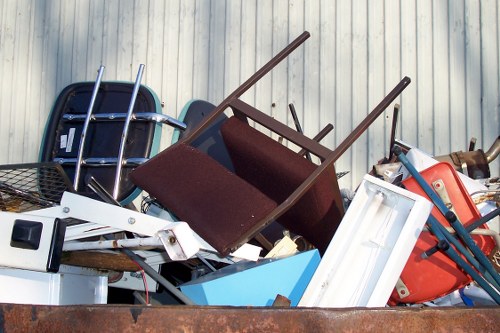
Quotation requests are easier to assess when the job is described in practical terms. The most helpful details are the type of waste, how much there is, and whether it is located at the front or back of the property. A quick note about access can also matter, especially if the garden is reached through the house, a side gate or a narrow path. These details help shape the plan before any removal begins.
You do not need to overcomplicate the request. A few photographs and a short written description are often enough to show whether the work is mostly green waste, a mixed clearance or a larger outdoor tidy-up. If there are items you definitely want retained, say so clearly. We also recommend mentioning anything heavy, damp or awkwardly stacked, because those factors can affect how the clearance is organised. If you are comparing services, our pricing and quotes page gives a useful starting point for the kind of information commonly needed.
Two brief reminders help most enquiries: be clear about what needs removing, and note any access limits before the visit is arranged. That keeps the conversation focused and avoids unnecessary back-and-forth. If you are ready for the next step, you can request a quotation and we will help you identify the most suitable approach.
Waste handling and environmental care
Garden clearance is not only about taking waste away; it is also about handling material sensibly after collection. Green waste can often be treated differently from general rubbish, so separating the load properly matters. Where suitable, recyclable items may be directed away from disposal routes that do not make best use of them. That includes timber offcuts, scrap metal and other materials that can be sorted from organic waste.
For customers who want to understand more about the wider approach, our recycling and sustainability page explains the principles behind responsible handling. Even in a straightforward garden job, a considered process can reduce unnecessary mixing of materials. This is particularly relevant where the clearance includes both natural waste and older outdoor items. The result is a tidier site and a more organised disposal process.
Some gardens generate waste that is damp, soil-heavy or compacted, which can make loading less straightforward. In those cases, an orderly method is important because a mixed pile is easier to assess once it has been broken down into manageable components. Careful handling also helps protect the surrounding garden, paving and fences while the work is being carried out.
About Redbridge
Redbridge is a London borough in the north-east of the city, formed in 1965 and named after the red bridge that once crossed the River Roding. It combines suburban districts, busy town centres and substantial green corridors, with a character shaped by both post-war development and earlier village settlements. Ilford is the borough’s principal commercial centre, while other districts such as Wanstead, Woodford, South Woodford, Gants Hill, Seven Kings and Barkingside give the area a varied street pattern and a mix of high streets, residential roads and open spaces. Much of the borough is connected by major road corridors and Underground or rail links, but it also contains quieter neighbourhoods with tree-lined avenues and older houses set back from the main routes. The River Roding runs through the area, and there are open areas such as Valentines Park, Fairlop Waters and Wanstead Flats, which provide a strong counterpoint to the built-up streets around them. Historic buildings and places of worship sit alongside twentieth-century housing estates, shopping parades and civic buildings, creating a landscape that changes noticeably from one district to another. The borough’s identity is therefore tied to movement between centres rather than to a single core, with local life shaped by transport, housing growth, parkland and the everyday activity of its town centres.
Garden waste, mixed loads and property changes
Garden clearances often become part of a wider property project. A new tenant may want the outside space tidied before use, a homeowner may be preparing for landscaping, or a landlord may need to remove leftover items after a vacancy. In each case, the aim is to bring the garden back to a manageable condition without making assumptions about what should happen next. The work may be simple, but it still benefits from a clear outline of the items involved.
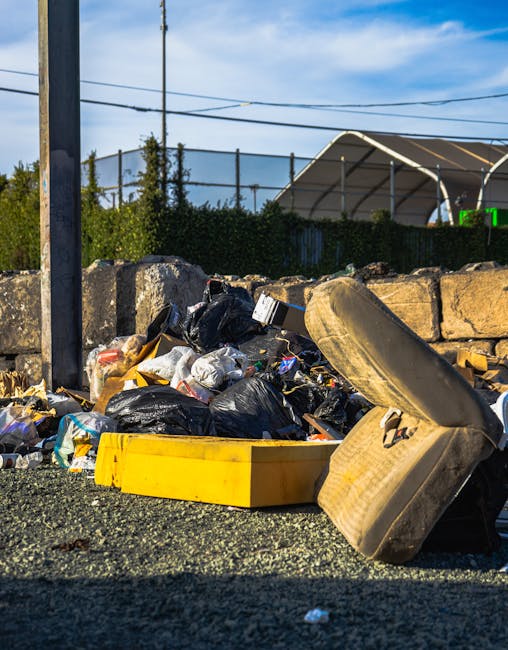
Mixed loads are common because outdoor areas rarely contain only one kind of waste. A pile of hedge trimmings might sit beside cracked paving pieces, an old hose reel and a broken bench. Rather than forcing everything into the same description, it helps to identify the dominant material and then note the extras. Home clearance can be relevant where the garden job forms part of a larger property tidy-up, especially if outdoor waste and indoor items are being reviewed together.
When the garden has been neglected for a long period, there may also be hidden waste under plants or against boundary walls. Clearing that kind of build-up can reveal what remains usable and what should be removed. It is often the case that a garden looks more manageable once the first layer is taken away, so the work is best planned as a visible sequence rather than a vague promise to “tidy everythingâ€.
Related clearance options

Some customers only need one focused service, while others need a combination of clearances across different parts of the property. If the clutter extends beyond the garden, a more complete removal plan may be useful. For example, a garage filled with old equipment, broken garden tools and stacked household items may need attention before the outdoor area can be cleared properly. In that situation, it can make sense to compare related pages and decide which space should be tackled first. Garage clearance is a practical option when storage areas are part of the same project.
In a similar way, larger household jobs may involve furniture, loose contents and items that have built up over time. If you are moving, downsizing or emptying part of a property alongside the garden work, the wider scope may be better matched to a household service than a single outdoor visit. Our house clearance page covers that broader kind of arrangement. The important point is to choose the service that best reflects the actual waste, rather than forcing everything into one category.
We aim to keep the process straightforward: identify the space, describe the waste and decide how complete the removal needs to be. If you are ready to discuss a garden clearance in Redbridge, use the most relevant contact route on the site and ask for a quotation. A clear description of the job is the best starting point, and we can take it from there.